ServicesExtractions
Tooth Extractions in Marlborough, MA
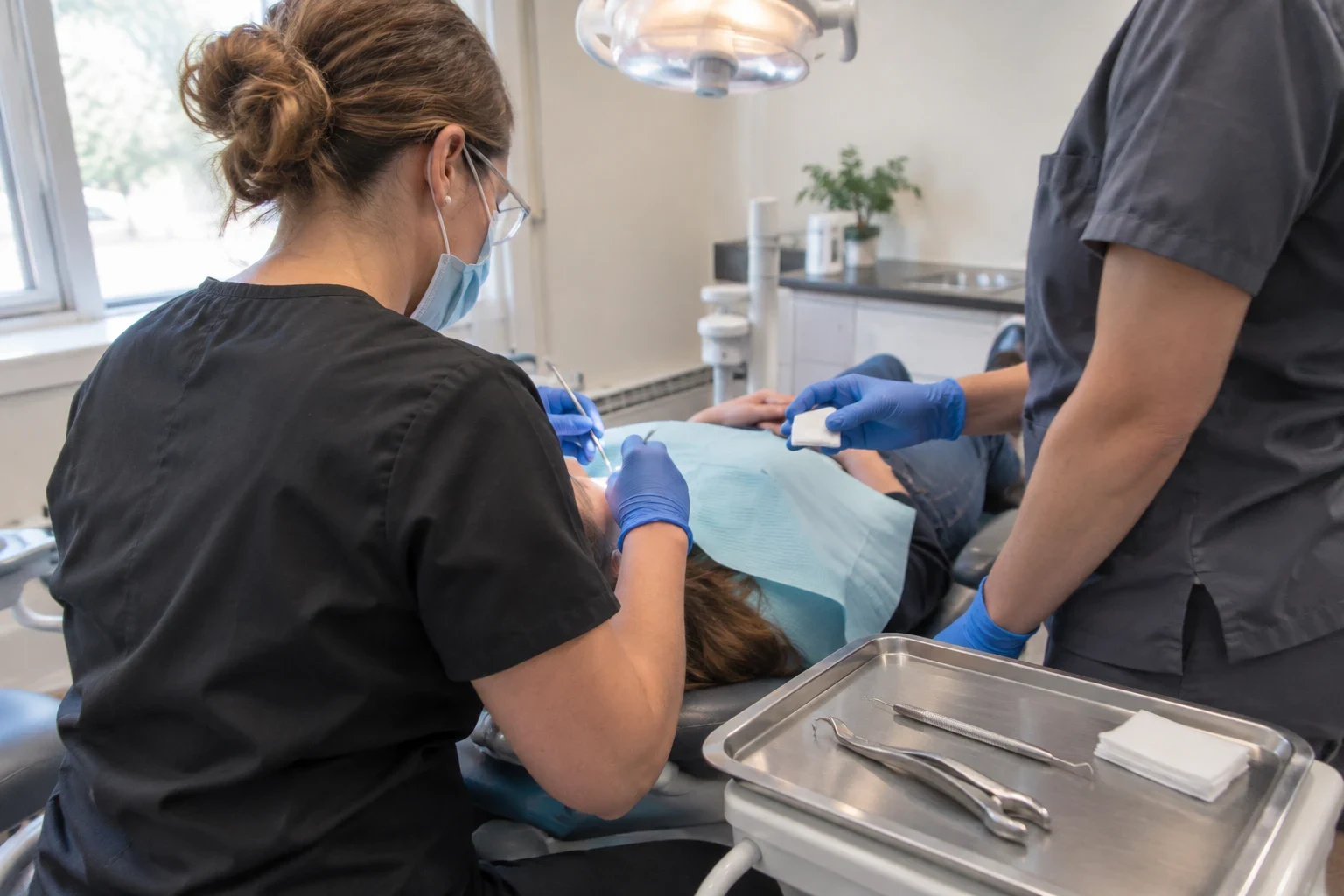
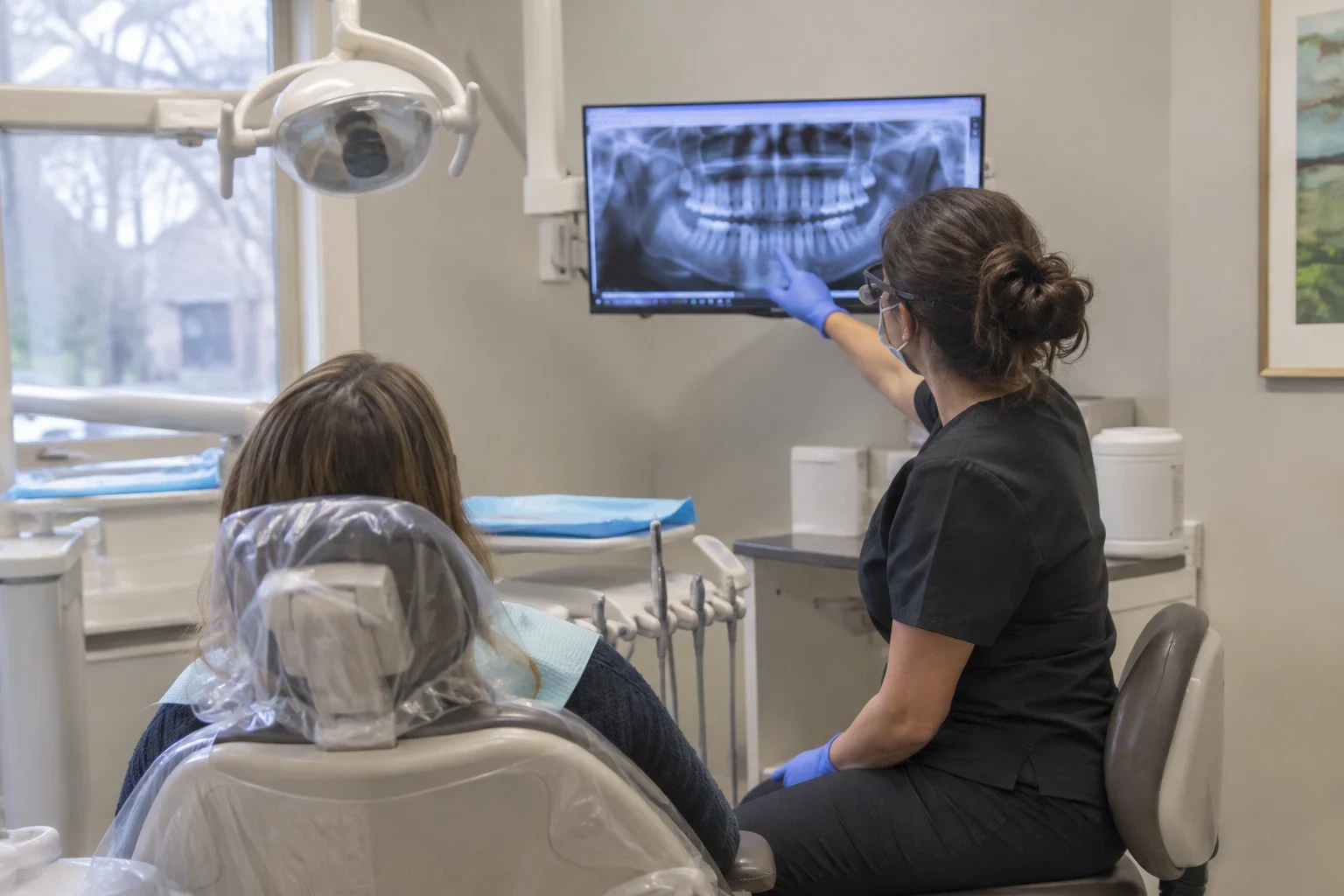
When a tooth is broken past repair, badly infected or crowding its neighbors, removing it gently can end the pain and protect the rest of your smile. We show you the X-ray, explain why, and help you understand your insurance before we begin.
When removing a tooth is the right decision
We treat extraction as a last step, not a first answer. Many painful teeth can be saved with a filling or a crown, and we will tell you plainly when that is the case. Removal makes sense when a crack runs below the gumline, when decay has left too little tooth to hold a restoration, when infection keeps returning, or when a wisdom tooth is impacted and pressing on the molar in front of it.
Because a tooth comes out only once, the record matters. Before treatment we take X-rays, write down what we see, and photograph the area when it helps. That documentation supports your insurance claim and gives you something concrete to compare if you want a second opinion. We have been in practice for over 11 years, and we still walk every patient through those images before reaching for an instrument.
What your extraction visit includes
- 01
X-rays and a focused exam
We image the tooth and its roots to see their shape, the bone around them and how close they sit to nerves or the sinus. That tells us whether a simple or surgical approach is the safer choice.
- 02
A written treatment plan
You get the procedure, the reason for it and the expected costs on paper, along with any follow-up such as a replacement option. Nothing is added on the day without a conversation first.
- 03
Pre-treatment estimate support
For PPO patients we can send a pre-treatment estimate with the X-rays and clinical notes attached. Your plan makes the coverage decision; we make sure it has what it needs to decide.
- 04
Thorough local anesthetic
We numb the area fully and test it before starting. You will feel pressure, not sharp pain, and you can raise a hand to pause at any point.
- 05
Healing instructions and a recheck
Before you head out, we place fresh gauze and hand you a printed sheet covering the first few days. If we want to see how the socket is closing, we set a short return visit.
Questions about Extractions?
Call(508) 715-8230Signs a tooth may need to come out
A crack that reaches the root
If biting causes a sharp jolt and the fracture runs below the gum, a crown often cannot hold. An X-ray and exam tell us which side of that line you are on.
Swelling or a bump on the gum
A recurring bump that drains points to infection at the root. Sometimes the tooth can still be treated and kept; when it is too weakened, removal stops the cycle.
Wisdom teeth that ache or trap food
Partly erupted wisdom teeth collect food under a flap of gum and can flare up again and again. Impacted ones can damage the molar beside them.
A tooth that has become loose
Advanced gum disease can leave too little bone to support a tooth. We measure that support and talk through whether the tooth can be stabilized.
Crowding before alignment
Occasionally a tooth is removed to create space for straightening. As an Invisalign provider, we plan any extraction around your aligner treatment rather than in isolation.
How the appointment runs
- 1
Review and consent
We go over the X-ray, the treatment plan and the expected costs again, and answer anything still on your mind. You sign only when you feel comfortable.
- 2
Numbing
We apply a topical gel first, then the local anesthetic, and wait until the area is fully numb. Most patients are surprised how little they feel at this stage.
- 3
Removing the tooth
For a simple extraction we gently widen the socket and lift the tooth out in one piece. A surgical extraction may involve a small opening in the gum or dividing the tooth so it comes out in sections, with less force on the surrounding bone.
- 4
Protecting the socket
We place gauze to help a clot form and add stitches when needed. That clot shields the bone while it heals, so we explain exactly how to keep it in place.
- 5
Going home
Plan to rest for the rest of the day. Skip straws, smoking and hard chewing for several days, and phone us if bleeding, swelling or pain grows instead of easing.
What affects the cost of an extraction
The fee depends mostly on how the tooth sits and how much work it takes to remove it safely. You receive a written estimate before treatment, and if you have a PPO plan we explain its estimate line by line. If you have no dental coverage, our Office Dental Plan and the CareCredit Patient Payment Plan are both worth discussing.
- Simple or surgical
- A fully visible tooth with straight roots takes less time than one broken at the gumline or impacted in bone.
- Which tooth it is
- Molars have several roots and sit farther back, so they usually take longer than front teeth. Wisdom teeth vary the most.
- Extra imaging
- Some cases need additional X-rays to map the roots and nearby nerves before we begin.
- Your dental plan
- Extraction coverage varies with deductibles, annual maximums and waiting periods. We accept most dental insurance plans, and our office can send your plan a pre-treatment estimate so you see your expected share in advance.
- Replacing the tooth afterward
- If the gap affects chewing or nearby teeth could drift, a bridge may become part of the plan. We price that separately so you can decide on timing.
Extraction questions we hear often
Will my insurance cover an extraction?
Most PPO plans include some coverage for extractions, but the percentage, deductible and annual maximum depend on your plan. We can send a pre-treatment estimate with your X-rays so the plan states its share before treatment. We cannot promise what a plan will pay, but we will help you read its response.
What documentation helps if my claim is questioned?
Clear X-rays, a dated clinical note explaining why the tooth could not be saved, and photos where they add something. We keep these in your record and can resend them if your plan asks for more information. Hold on to your own copy of the explanation of benefits as well.
How much will it hurt?
During treatment you should feel pressure but not sharp pain. Soreness for a few days afterward is normal and usually manageable with the pain relief we recommend for you. Pain that worsens after the third day is worth a phone call.
How long does healing take?
The gum usually closes over within a couple of weeks, while the bone underneath keeps remodeling for months. Most people return to normal routines the next day and ease back into normal chewing over the following week.
Do I need to replace the tooth?
Not always. Wisdom teeth and teeth removed to make space for alignment usually need no replacement. For other teeth, a gap can let neighbors tip and the opposing tooth drift, so we discuss a bridge and you choose the timing. Our Crowns & Bridges page explains how a bridge is made.
Let us take a careful look at that tooth
Bring your insurance card, or ask about our Office Dental Plan if you have no coverage. We will examine the tooth, show you what we find and explain your options before anything is decided. Patients join us from Marlborough, Hudson, Southborough and nearby towns.