ServicesKids' Dentistry
Kids' Dentistry in Marlborough
We see children from their first tooth through the teen years, at a pace that lets them settle in. You get a clear picture of your child's teeth, a written treatment plan when one is needed, and help reading your dental benefits before anything is scheduled.
Gentle care that builds good habits early
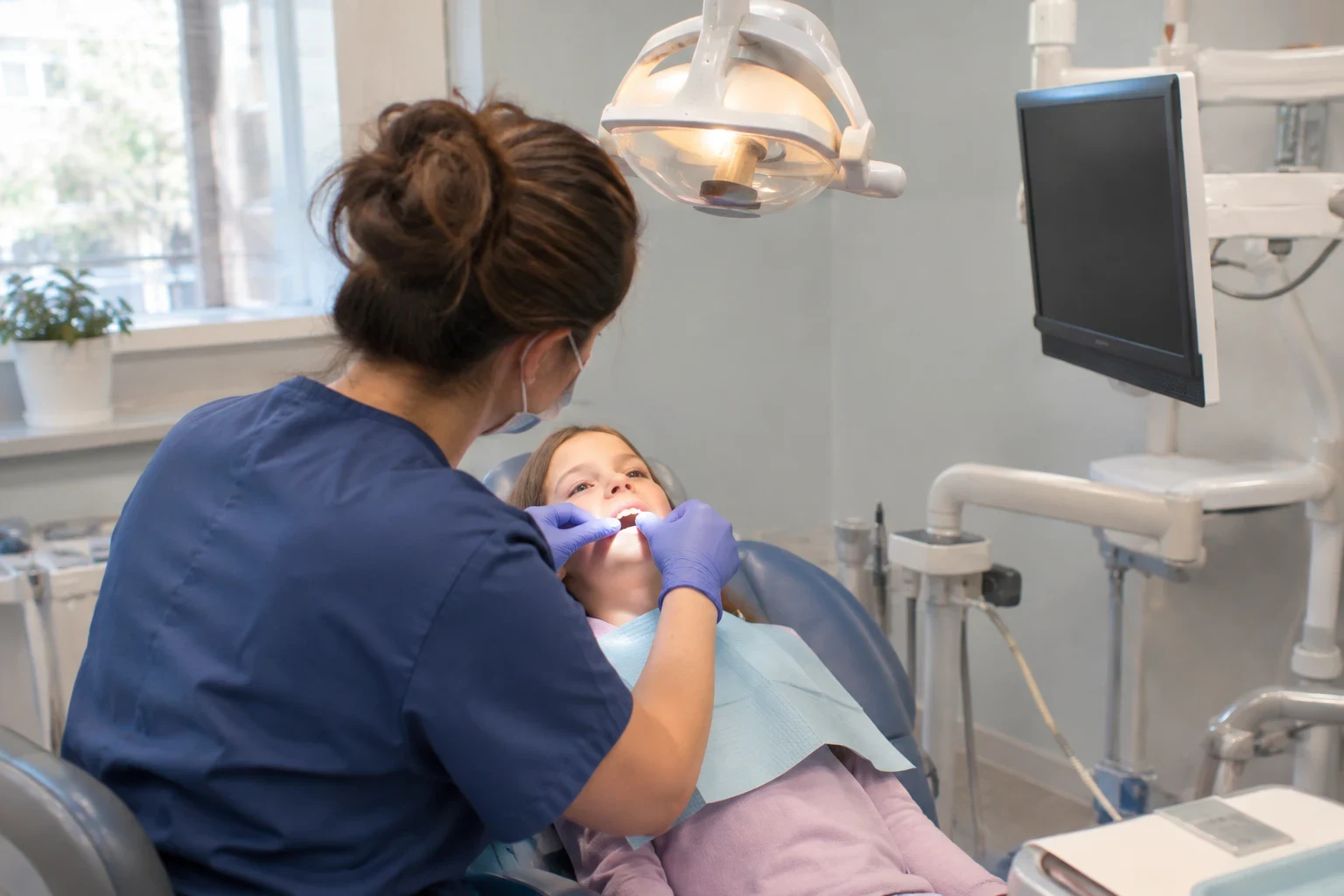
A child's early dental visits shape how they feel about the dentist for years. We keep those visits short, explain each instrument before it goes near a tooth, and let the child hold the mirror or count teeth along with us. Most first visits are mostly conversation and a quick look.
Baby teeth matter more than many parents expect. They hold space for the permanent teeth, guide how the jaw develops, and a cavity in one can still cause pain or infection. Catching a soft spot early usually means a sealant or a small filling instead of a larger repair later.
Parents also ask us about cost, so we talk about it plainly. We accept most dental insurance plans, and we will walk you through how your plan treats preventive visits versus fillings, so you know what to expect before you agree to anything.
What a kids' visit includes
- 01
First visits and checkups
We look at the teeth, gums, tongue and bite, and we note how new teeth are coming in. For toddlers, the exam often happens with the child sitting on a parent's lap.
- 02
Gentle cleanings and fluoride varnish
A light polish removes plaque and surface stain. Fluoride varnish is painted on in seconds and helps harden enamel that is still maturing.
- 03
Protective coatings for molars
The tops of the big back teeth have narrow pits where toothbrush bristles simply cannot reach. We paint a thin, tooth-colored coating into those crevices and set it with a curing light. There is no drilling and no numbing involved.
- 04
X-rays only when they add something
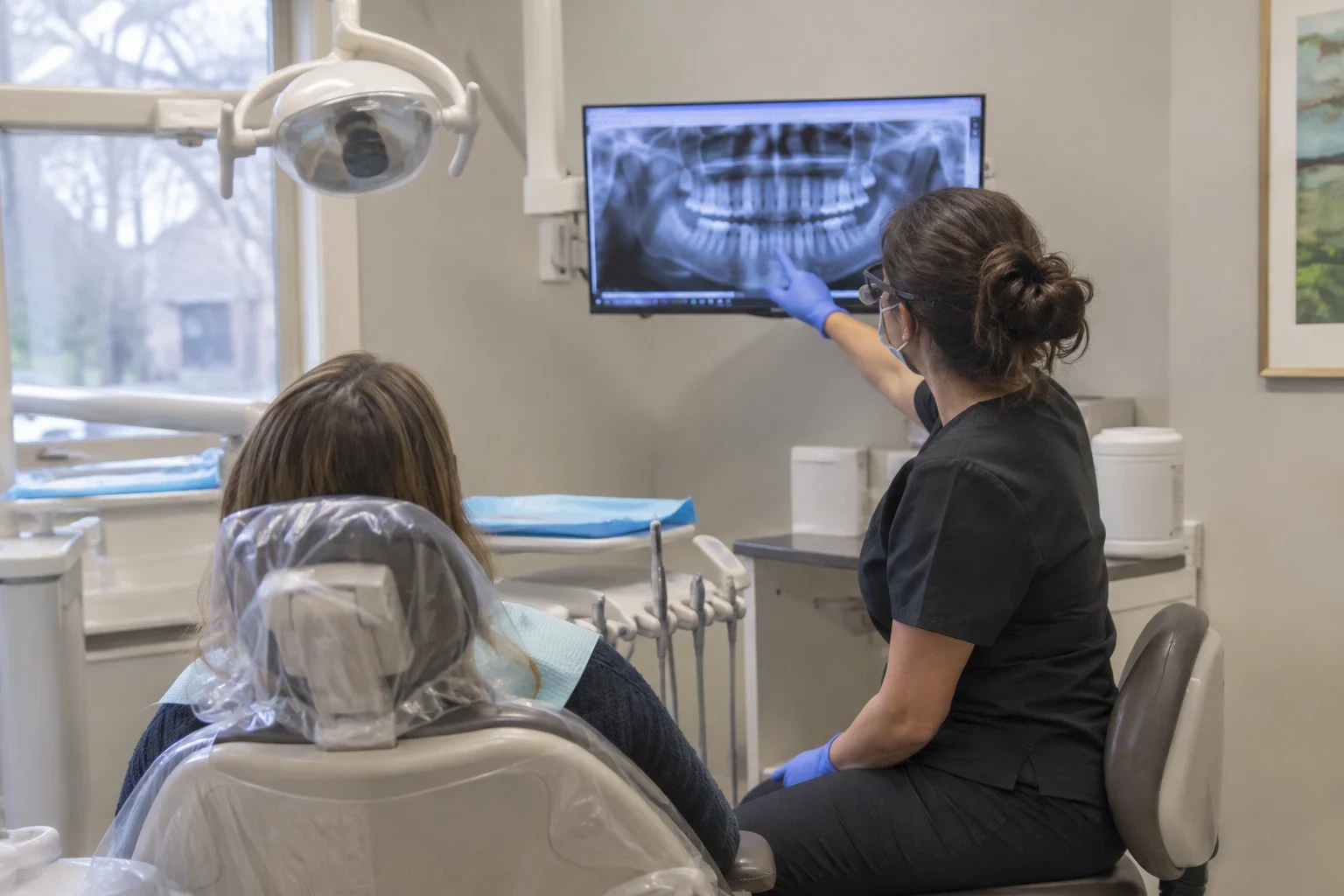
We take images based on your child's age and cavity risk, not on a fixed schedule. When we do, we show you what they reveal.
- 05
Small fillings
When a cavity is found, we use tooth-colored material and keep the appointment brief. Our Fillings page explains the materials in more detail.
- 06
Bite and alignment checks
We watch for crowding and bite issues as permanent teeth arrive. As an Invisalign provider, we can tell you when clear aligners might suit your teen, and our Invisalign / Clear Aligners page covers that treatment.
Questions about Kids' Dentistry?
Call(508) 715-8230Signs your child should be seen
Pain with sweets or cold
A wince at ice cream or juice often points to a cavity that has reached the softer layer under the enamel.
White chalky or brown spots
Dull white patches near the gumline are often the earliest stage of decay. At that point they can sometimes be reversed with fluoride and better brushing.
Gums that bleed when brushing
Bleeding usually means plaque has been sitting along the gums. A cleaning and a few brushing tips usually clear it up.
A chip or knock from play or sports
Even if it does not hurt, a chipped or loosened tooth should be checked so we can see whether the nerve was affected.
No visit in the last six months
If your child turned one without a dental visit, or it has been a while since the last checkup, it is a good time to start fresh.
How the appointment goes
- 1
A phone call to set things up
When you call, we take your child's details and your plan information. That lets us check benefits ahead of time, including how often your plan pays for cleanings and whether it covers sealants at your child's age.
- 2
Getting comfortable in the chair
We introduce ourselves, show the chair and the tools, and let your child ask questions. Parents are welcome to stay in the room.
- 3
Exam, cleaning and fluoride
We clean and check each tooth, take any images that are needed, and finish with fluoride varnish. Most visits are done well within an hour.
- 4
A clear review with you
We show you what we found and answer questions. If treatment is needed, you get a written treatment plan with an estimate of what your plan may pay and what may be left for you, so the decision is yours to make.
What affects the cost of your child's care
Routine checkups and cleanings are usually the simplest part of the bill, and many plans count them as preventive care. Costs rise when a tooth needs treatment, and the details of your coverage matter as much as the work itself. We go over the numbers with you before any treatment begins.
- Your plan's preventive rules
- Plans set their own limits on how often cleanings, fluoride and x-rays are covered. Sealants are often covered only on certain teeth or up to a certain age, so we check before placing them.
- What we find during the exam
- A clean checkup costs far less than one that turns up cavities. The number of teeth involved and how deep the decay goes both change the treatment plan.
- Filling material and tooth type
- Tooth-colored fillings on back teeth are treated differently by some plans, which may change your share of the cost.
- Ways to pay without coverage
- Families with no dental coverage can join our Office Dental Plan for patients without insurance, which is set up for exactly that situation. If you would rather pay for treatment over time, ask about the CareCredit Patient Payment Plan.
What parents usually want to know
How young is too young for a first checkup?
Earlier than most parents think. Around the first birthday, or within six months of that first tooth showing up, is a sensible time to come in. The visit is short and mostly about checking development and talking through brushing, bottles and teething. It also means the office already feels familiar long before any treatment is ever needed.
Will my insurance cover my child's cleanings?
Many plans treat exams and cleanings as preventive and cover a large share, but frequency limits, waiting periods and age rules vary. We check your benefits before the visit and tell you what we learn. We can't promise what a plan will pay, but we can explain the estimate and what is likely to be your share.
Is it worth filling a baby tooth that will fall out anyway?
Often, yes. Some baby molars stay in place until around age eleven or twelve, and a cavity left alone can spread, cause pain or lead to infection. If a tooth is close to falling out naturally, we will tell you, and sometimes watching it is the better choice.
Can I stay with my child during the appointment?
Yes. Many younger children do best with a parent nearby, and you will see exactly what we do. Some older kids prefer to go in on their own, and that is fine too.
How long have you been caring for children's teeth?
We have been in practice over 11 years, and much of that time has been spent with young patients and their parents. That experience shows mostly in small things: how we explain a procedure to a nervous five-year-old, and when we suggest waiting instead of treating.
Set up your child's next visit
Tell us your child's age and your dental coverage when you call, and we will look into your benefits before the appointment. You will leave with clear answers and a plan you understand.